
Dentures – Rocky Mount, NC
A Comfortable, Trusted Solution for Tooth Loss

The dentures of today are very, very different compared to the ones your parents or grandparents might have worn. Now, they are extremely natural-looking and can be designed to fit comfortably in the mouth while still offering premier stability. Whether you are missing most of your teeth or all of them, our team can help you get your bite and confidence back for a lifetime to come. To get started, contact us today to schedule a consultation to discuss smile restoration with dentures in Rocky Mount, NC.
Why Choose Drs. Belton & Schrimper, DDS PA for Dentures?
- 100% Custom-Made Dentures for Each Patient
- State-of-the-Art Dental Office
- Friendly Dental Team That Treats Patients Like Family
What are Dentures?
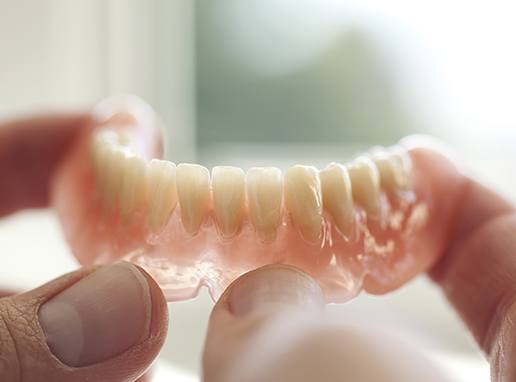
A denture is a form of restorative dentistry that is used to replace missing teeth in one or both jaws. In most cases, they’re made with an acrylic gum-colored base and a set of ceramic or acrylic false teeth.
Depending on your needs, you may be eligible for one of the three types of dentures:
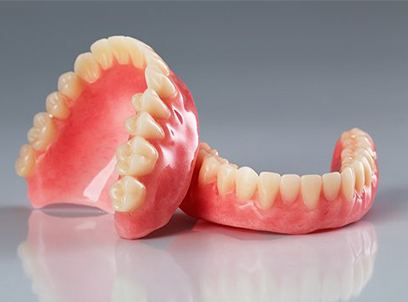
Full Dentures
When you hear the word “denture,” it’s likely a full denture that you picture in your mind. These are used to bring back an entire row of teeth at once, and they stay in place by sitting directly on the gums, relying on the power of natural suction, denture adhesive, and the strength of the nearby cheek muscles.
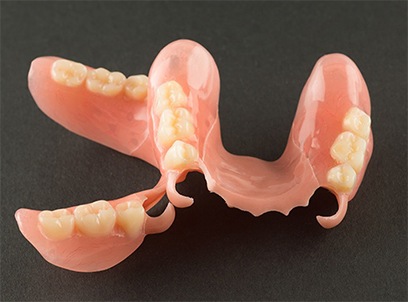
Partial Dentures
You can think of a partial denture as the final puzzle piece that will complete your smile. The prosthetic can be shaped to fit between a patient’s remaining teeth, no matter their orientation, and is secured within the mouth using small metal clasps.
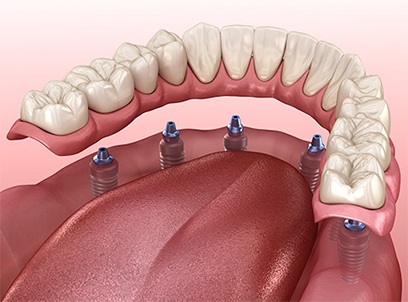
Implant Dentures
While an implant denture may look like a traditional removable one on top, the “magic” is actually hidden beneath the gum line. Instead of just sitting on the gums, implant dentures are directly anchored to the jawbone using a series of small titanium posts that act like new tooth roots. This gives the prosthetic a strength and stability that perfectly replicates real teeth.
Who's a Good Candidate for Dentures?

Most people who have lost several or all of their teeth are great candidates for dentures. So, if you are struggling with moderate to severe tooth loss, and you’re ready to rebuild your smile, schedule a consultation with us! You can also read on to learn about the negative effects of missing teeth, the qualities we look for in a good candidate, and the other tooth-replacement solutions we offer.
Effects of Missing Teeth

There are several drawbacks that come with an incomplete smile. A few noteworthy ones include:
- Dental drift – Following tooth loss, it’s very common for the teeth surrounding the gaps to begin to drift, negatively impacting the alignment of a patient’s bite in the process.
- Low self-esteem – Oftentimes, patients have a hard time smiling confidently with noticeable gaps in their smile, which causes them to become more withdrawn and avoid social situations.
- Limited diet – Without a strong, complete bite, there’s really only one choice: to eat applesauce, plain yogurt, and other extremely soft foods.
What Qualifies You for Dentures?
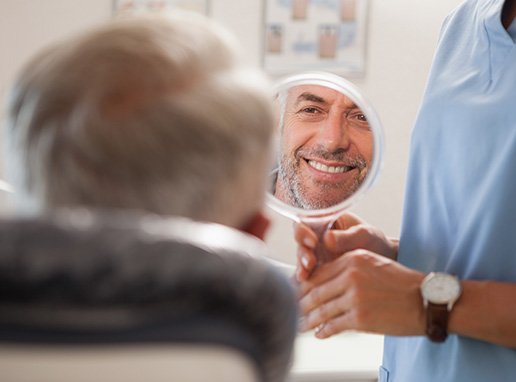
Ultimately, a consultation with one of our dentists is the only way to determine your eligibility for dentures. With that said, there are a few qualities that good dentures candidates have in common, including: they are struggling with moderate to severe tooth loss, there isn’t an active infection in their gums, and they are committed to taking good care of their smiles. If that’s the case for you, then we will get to work creating your custom treatment plan, including determining which type of denture you’ll need (i.e., full, partial, or implant denture).
Alternative Tooth-Replacement Options
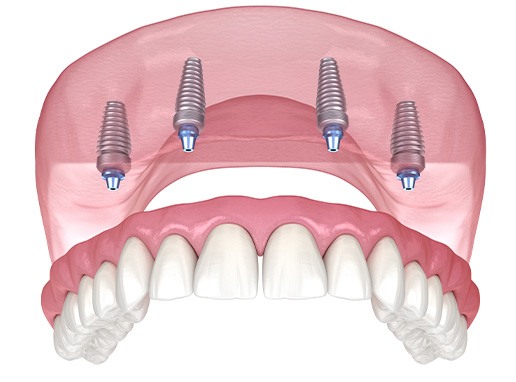
If we decide together for one reason or another that dentures aren’t the best tooth-replacement solution, then we will discuss the other ones we offer. Here’s a little more information on each:
- Dental bridges – Dental bridges can effectively replace one missing tooth or up to four missing teeth consecutively. This is accomplished by placing a custom dental crown on each side of the gap and securing the replacement tooth or teeth in place to literally “bridge” the open space.
- Dental implants – Dental implants are a cutting-edge solution that is inserted directly into the jawbone. Not only does this provide unmatched stability and durability, but it also helps prevent bone loss, and it can last for 30+ years with the proper care and maintenance.
If you have any questions for our team about your treatment options, including if dentures are the best one for you, then take the next step: schedule a consultation with us. We look forward to learning about your unique dental history, needs, and goals as well as how we can give you back a smile that you genuinely love!
How Dentures are Made

It’s only natural to want to learn as much about dentures as you can before deciding to proceed with this treatment. Many patients have questions about getting these replacement teeth, like what they’re made from and how they’re put together.
Our team in Rocky Mount wants you to have as much information as you need to feel confident moving forward with this treatment. With that in mind, continue reading to learn more about how these teeth are created so you can appreciate your new restoration that much more!
What are Dentures Made Of?
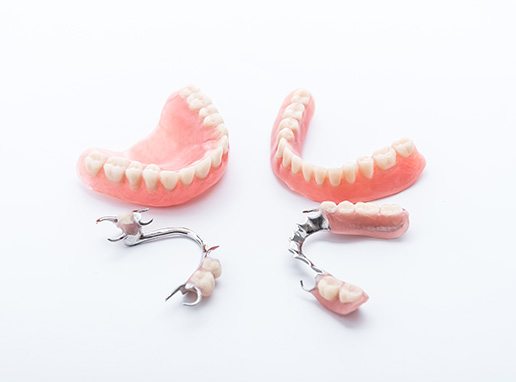
These restorations typically contain two main parts, which are outlined in more detail below:
- The base. This is the foundational structure that provides all the support needed to anchor your new teeth in place. It’s usually made from gum-colored materials, such as acrylic, nylon, or resin, that can be customized to resemble your connective tissues. Partial sets often also include metallic clasps that clip to healthy teeth in your mouth.
- The artificial teeth. The pontics, or artificial teeth, are usually made out of resilient ceramic or porcelain. These materials are designed to match the shape, color, and size of your natural enamel for beautiful results to boost your confidence.
The Denture Creation Process
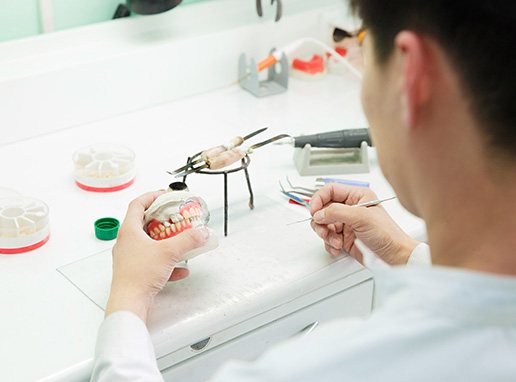
Are you curious what the step-by-step process of building dentures looks like? It might vary slightly depending on your circumstances, but typically you can expect the following:
Step #1: Our team will make impressions of your upper and lower arches that will be used to ensure your prosthetics will fit correctly, and send them to a dental lab to begin working on your new teeth.
Step #2: The lab technician starts by forming a wax version of the gumline on the cast of your teeth.
Step #3: Artificial teeth are placed into the wax using a mechanical device called an articulator, and the lab tech carves the gums to resemble your natural tissues.
Step #4: The wax dentures are returned to our office for a fitting. We’ll schedule an appointment for you to try them on and note any changes that must be made before returning them to the lab to be finalized.
Step #5: At the lab, the wax version is placed in a flask. Plaster is added to maintain their shape, then the container is placed in boiling water to melt the wax away.
Step #6: A liquid separator is added to keep materials from sticking together, and then acrylic is injected into the flask to replace the wax portions.
Step #7: The plaster is carefully removed from the acrylic dentures using special laboratory instruments. Then, they are placed in an ultrasonic bath to ensure they’re thoroughly cleaned.
Step #8: Excess acrylic will be trimmed away, and your prosthetics will be polished to perfection before being delivered to our office.
Step #9: We’ll schedule you for a final fitting and discuss care and maintenance before sending you home with your beautifully rebuilt smile!
Adjusting to Your New Dentures

It might take up to a month or so for your tongue and the tender tissues in your mouth to acclimate to your restoration. It’s normal to feel sore, struggle to eat normally, or develop speech impediments, such as a lisp or slur, during this transitional period. Fortunately, they usually dissipate on their own with time and patience.
You can help reduce their impact by sticking to softer foods at first that are easier to eat, such as mashed potatoes, scrambled eggs, applesauce, yogurt, or blended fruit smoothies. You might also practice reading out loud to yourself so you can rehearse challenging words or sounds until you feel more confident in your enunciation.
The Benefits of Dentures

Losing many teeth can make it hard to complete many daily tasks such as eating, speaking clearly, and smiling with confidence. Thankfully, Dentures from Dr. Schrimper’s office can make it easier to communicate, receive adequate nutrition, and maintain a robust and vibrant appearance. Here’s a quick look at how these incredible prosthetic devices may be able to improve your life.
Psychological Benefits

People who have lost many teeth often have difficulty adapting to life after tooth loss. If this makes an individual nervous about showing their smile, they may have trouble engaging socially, which may set them up for unpleasant emotions like sadness, loneliness, and depression. Restoring your smile with dentures can be an excellent way to enhance your appearance and your confidence so you can succeed at work and enjoy social outings.
Clearer Enunciation

Tooth loss can affect the way vibrations move through your mouth when you speak, which can lead to lisps and other speech impediments that can make communicating clearly difficult. Thankfully, dentures can work in the place of your lost teeth so you can speak easily and pronounce words naturally. After you have a little time to adjust to your appliance, you should find that talking feels incredibly natural.
Improves Nutrition

Tooth loss can deprive a person of the chewing power they need to enjoy a healthy and tasty diet and set them up for overall health issues like malnutrition and indigestion. Dentures can restore a significant amount of a patient’s chewing power so they can enjoy a wide range of delicious and nutritious foods like fresh meat, raw fruits and veggies, and crunchy nuts and seeds.
Preserves Oral Health

Losing teeth can lead to a host of unpleasant consequences for your oral health like gum injuries, dental drift, uneven enamel erosion, jawbone atrophy, infections, and injuries. Dentures are designed to support the remaining teeth and protect the gums, which can help the patient chew evenly and comfortably and keep their smile in good shape for years.
Expands Opportunities

Having a smile you can be confident in can make all the difference when being considered for a new job or a promotion, and grinning frequently will help you make positive first impressions that can lead to new opportunities for your social life and career. Receiving dentures may be an excellent way to achieve a smile you’ll be eager to show off to friends and coworkers.
Understanding the Cost of Dentures
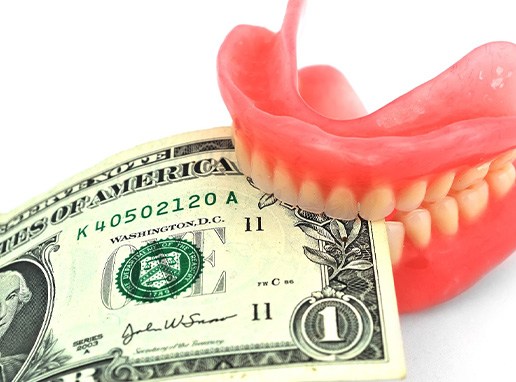
Because every smile is unique, each denture must be custom made to fit the individual patient. Thus, there is no way to charge a ‘one-size-fits-all’ price for this type of restoration. The best way to get an accurate estimate for your new smile is to visit your dentist for a consultation. There, we can go over your options for your prosthetics, including the estimated timeline and total cost. In the meantime, here’s a closer look at how we’ll calculate the price once you’ve been seen.
Factors that Affect the Cost of Dentures
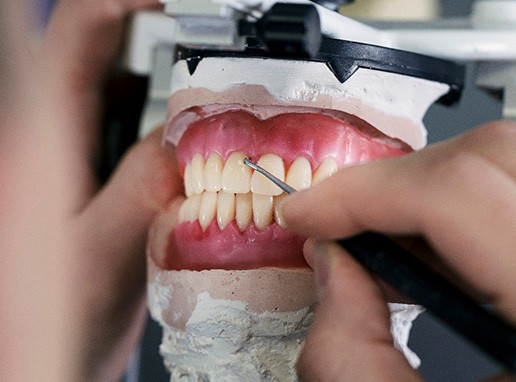
There are three major factors that can influence the cost of your new dentures. These include:
- The preparation of your mouth to get it ready for your new dentures (such as tooth extractions, gum disease therapy, etc.).
- The type of acrylic used for the base of your denture (this is the part that will be dyed to match the color of your gum tissue).
- The material used to make your replacement teeth, which is usually either acrylic or porcelain.
It is important to remember that when it comes to dentures, the cheapest isn’t the best. With discount dentures, you will usually end up getting poor quality teeth, which can be problematic, especially for something that will be spending so much time in your mouth!
Are Implant Dentures More Expensive?
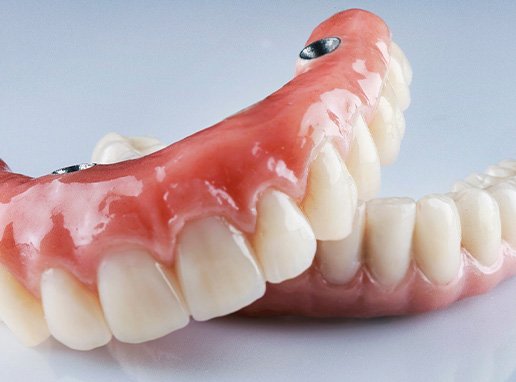
While yes, it’s true that implant dentures are more expensive than traditional dentures, there’s an excellent reason for this! Although both can replace an entire arch of teeth at once, implant dentures are permanently attached to the jaw via a series of dental implants. This means that not only are they more secure, but they also look and feel more natural, provide greater biteforce, and won’t need to be removed for cleaning or soaking like traditional dentures do.
Although they are more costly than other options, implant dentures are an investment that should pay off with time. That’s because you won’t need to replace them every five to seven years like you do with traditional dentures, nor will you need to spend extra money on soaks, adhesives, and special pastes to maintain them.
Does Dental Insurance Cover Dentures?

Yes, most dental insurance plans consider dentures a major procedure and will generally cover around 50% of their cost; however, each plan varies. Our dental insurance team will be happy to help answer this question in greater detail by confirming your coverage before treatment begins
Other Options for Making Dentures Affordable
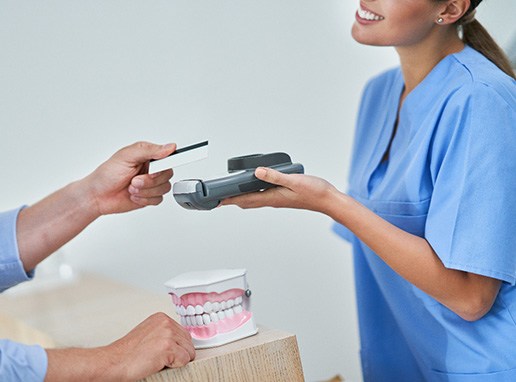
In addition to warmly welcoming your dental insurance, we are proud to accept payment plans through our preferred third-party lenders, CareCredit and Sunbit. These programs can help you split up the overall cost of your dentures into smaller, budget-friendly payments.
To learn more about the cost of dentures, and to receive an exact price quote for treatment, schedule a consultation with your dentist today.
Dentures Aftercare
Dentures are the tried-and-true solution for tooth loss and remain popular today because of their versatility and convenience. Your new restoration has the power to improve your bite force, enhance your enunciation, and boost your confidence in your appearance. But that’s only as long as you take care of it correctly!
Continue reading to learn more about how to protect your prosthetics so you can continue making the most of their many benefits!
Removable Dentures
Remove After Eating
Your dentures won’t develop disease or decay because they’re not made from the same organic materials as the teeth and gums you were born with. However, bacteria in your mouth and leftover bits of food can cling to their surfaces and form plaque, which can contribute to gum disease.
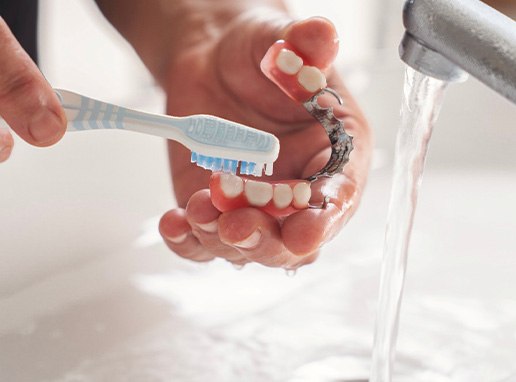
You can help prevent this by removing your teeth to rinse them under gently running water after eating to remove harmful germs and debris. Remember to use room temperature water or cooler because hot water can warp the base so your dentures no longer fit correctly.
Clean Your Restoration
In addition to rinsing after meals, you must also remove your dentures both morning and night to thoroughly but gently scrub all sides with a soft-bristle toothbrush and non-abrasive toothpaste or clear dish soap. This helps remove plaque and bacteria that contribute to dental disease or decay, which can cause discomfort that makes it difficult to wear your new teeth.
Be sure to rinse them thoroughly before reinserting them to avoid ingesting any potentially toxic cleaning supplies.
Keep Your Dentures Safe
Your restoration is likely to become slippery when wet and can be chipped, cracked, or broken if it falls to the floor during washing. You can help protect it by placing a soft towel or cushion beneath you during cleanings.
It’s also best to store your dentures out of the reach of small children or pets who might not handle them correctly, which can result in injuries when you’re not wearing them.
Remove Dentures When You Sleep
You might think it’s okay to sleep with your dentures inserted, and doing so once or twice might not cause harm. However, this isn’t usually recommended because your prosthetics form a tight suction against your gums to remain in place all day.
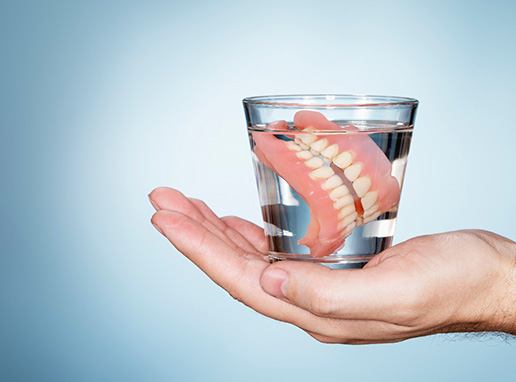
This reduces circulation to your connective tissues, which increases the risk of developing sores or other periodontal problems or disease. Our team recommends leaving your restoration in a glass of water or a special soaking solution overnight, which helps kill germs and maintains their shape while giving your grin a much-needed chance to rest and recover.
Notice Changes
Paying attention to your dental condition can help you identify concerning changes in time to seek help. For instance, if your gums appear darker red or puffier than usual, or you notice bleeding when you brush or floss, you might have gum disease that requires treatment.
If you notice damage to your dentures, please don’t try to fix them yourself at home. Many household supplies, like superglue, can be toxic if ingested. Please contact our team instead, and we can help you repair, reline, or replace your dentures as needed.
Denture FAQs
Can I use regular toothpaste to clean my dentures?
Although you should brush your dentures after each meal, you shouldn’t use regular toothpaste. The reason for this is simple: it contains abrasive ingredients that can create microscopic scratches that dull their appearance over time. So, it’s best to use a damp, soft-bristle toothbrush and mild dishwashing liquid instead.
Am I too young to get dentures?
One of the most common misconceptions about dentures is that they are only for seniors. That’s not the case. So, if you are a part of the 66% of adults between the ages of 40 and 64 or the 33% of adults between the ages of 20 and 39 who are struggling with tooth loss, you shouldn’t hesitate to schedule an appointment at our Rocky Mount dental office! That way, we can assess the severity of your misalignment, learn about your day-to-day routine, and determine if this is the ideal tooth-replacement solution for you.
What can’t you eat with dentures?
Dentures are crafted from extremely durable materials, which allows you to enjoy a wide range of foods. Even still, there are some you should avoid, especially if you don’t want your restoration to get pulled out of place or break. A few examples include gummy candies, corn on the cob, popcorn, and hard pretzels. Instead, we recommend filling your plate with foods that are both healthy and softer in consistency, like plain yogurt, cottage cheese, and bananas.
Can I sleep with my dentures?
When you first get your dentures in Rocky Mount, we may ask you to keep them on for the next 24 hours. After that, however, you should get in the habit of taking them out before you go to sleep. Not only will this give your gums a chance to recover and prevent soft tissue irritation, but it will also reduce your chances of getting pneumonia.
Tip: Put your dentures in a clean container filled with a dentist-approved cleanser. That way, they are fresh and clean come morning!
What should you do if your dentures break?
If your dentures break, don’t reach for a household adhesive, like superglue. Instead, call our office so a helpful member of our team can provide assistance. In addition to scheduling an appointment with one of our talented and experienced dentists, they will share what you should do in the meantime, like placing your denture in its designated case to prevent it from breaking further.
Why do my dentures smell?
If your dentures start to smell, it’s likely because there is bacteria trapped in the nooks and crannies. So, try giving them a good clean! Use a damp, soft-bristle toothbrush and mild dishwashing liquid to gently scrub the entire surface. Then, rinse them thoroughly with clean, cool water. If the odor persists, then don’t hesitate to schedule an appointment with us.