
Dentures Then and Now: A Brief History of Dental Prosthetics
December 12, 2025
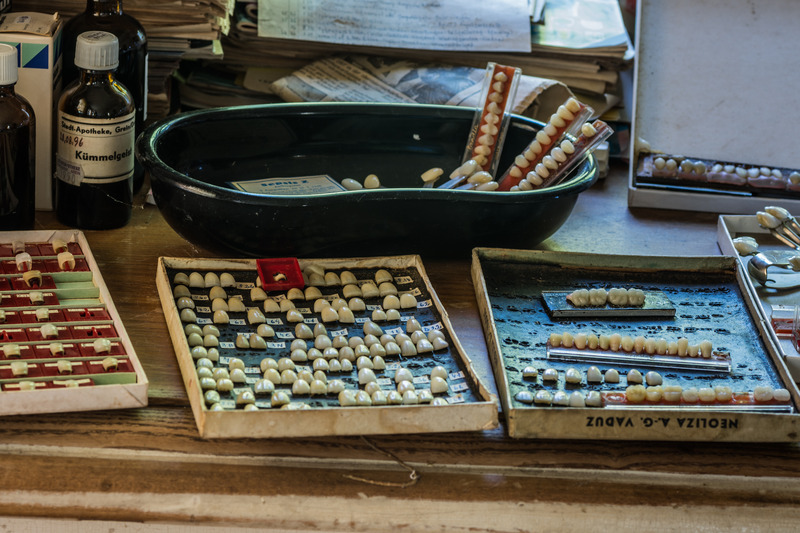
When many people think of dentures, they generally picture bulky, fake-looking teeth that fall out constantly. Thankfully, modern dentures are very different from the clunky versions of the past. Today’s options are more natural, more comfortable, and more secure than ever before. But how did these prosthetics evolve over the centuries? Continue reading to find a brief history of dentures and their rise to a modern dental marvel.
Early Dentures
Dentures have been around for hundreds of years, with the earliest known examples coming from the Etruscans in 700 BC. These were made from materials like wood, animal teeth, or even teeth taken from other people.
While they allowed (mostly wealthy) people to chew and speak better than they could without teeth, they were often uncomfortable and unstable.
Improvements to Materials and Fit
As dentistry advanced, so did dentures. By far, the greatest of these leaps came in the 1800s when dentists began using teeth made from porcelain and bases of vulcanized rubber. This made them more comfortable when worn and more life-like than the metal or ceramic versions they replaced.
Metal frameworks were also introduced for partial dentures, helping them stay in place more securely. These changes made dentures much more reliable overall.
Modern Dentures
Today’s dentures are designed with both function and appearance in mind. High-quality acrylics and advanced resins have taken the place of rubber, allowing them to more closely mimic the look of natural gums. The size, shape, and color of the teeth can also be customized to match the facial aesthetic and preferences of any patient.
In addition, dentists now use digital impression techniques to create dentures with a very precise fit. This allows for better comfort, improved chewing power, and a more natural feel.
The Latest Denture Technology
One of the biggest changes in recent years is the use of dental implants to support dentures. Instead of relying on your gums, implant dentures attach to small titanium posts surgically placed into your jaw. This not only keeps the prosthetic from shifting, but also preserves your natural jawbone, maintaining the shape of your face over time.
From simple, form-over-function designs to today’s custom, implant-supported prosthetics, the evolution of dentures has been remarkable. If you’ve lost several or all of your teeth, they offer a reliable way to eat, speak, and smile with confidence again.
About the Practice
At Drs. Belton & Schrimper DDS, PA, we believe in personalized, relationship-based dentistry for everyone. Our team combines proven techniques with modern technology to restore comfort, function, and confidence to every smile—whether you need dentures, implants, or routine care. Call (252) 404-8751 to schedule a denture consultation with our expert team or visit our website to learn more.